What is Gynecomastia?
(Male Chest Reduction Surgery)
Gynecomastia surgery is a highly effective procedure designed to reduce excess breast tissue in men, creating a flatter, firmer, and more masculine chest. It is a common condition that causes the enlargement of male breast tissue. It can affect one or both sides of the chest and may occur at any age. The condition is often caused by:
 Hormonal imbalance
- Weight fluctuations
- Genetics
- Certain medications or medical conditions
Who is suitable for gynecomastia surgery?
- You have excess breast tissue that does not improve with diet or exercise
- Your weight is stable
- You are in good general health
- The condition causes physical discomfort
- Or emotional distress
Types of Gynecomastia
Glandular gynecomastia
In which the main component of the male breast enlargement is due to excess of glandular tissue
Fatty gynecomastia
(pseudogynecomastia) in which the breasts grow due to the deposition of fat in the chest area.
Mixed gynecomastia
Usually, most patients have a combination of both at variable degrees.

Procedure Time
1-2 hours
Full Recovery
6 weeks
Return to Work
4 weeks
Price
From £4000Treatment Journey
1. Consultation & Assessment
Your journey begins with a detailed consultation with a specialist surgeon. During this appointment, your chest will be carefully assessed to determine the type and severity of gynecomastia. You’ll have the opportunity to discuss your concerns, desired outcome, and any questions you may have. Your surgeon will explain the most suitable surgical approach, outline expected results, and ensure you have a clear understanding of the procedure before moving forward.
2. Personalised Treatment Planning
No two cases of gynecomastia are the same. Your treatment plan is tailored to your anatomy and goals and may involve glandular tissue removal, liposuction, or a combination of both. Incision placement, scarring, and recovery expectations are all carefully planned to achieve the most natural and balanced chest contour possible.
3. The Surgical Procedure
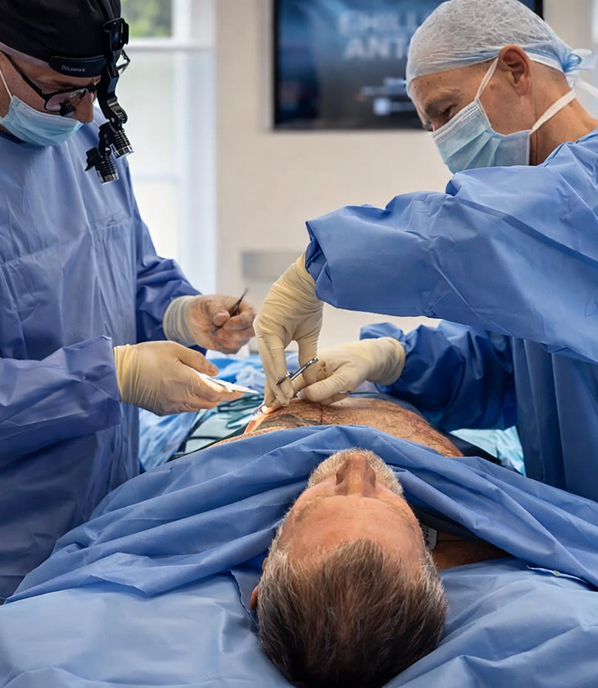
Gynecomastia surgery is performed under general anaesthetic and typically takes between one and two hours. During the procedure, excess glandular tissue and/or fat is removed, and the chest is reshaped to create a flatter, more masculine appearance. Every step is carried out with precision, focusing on safety, symmetry, and long-term results. Most patients return home the same day, although an overnight stay may be recommended in some cases.
4. Recovery & Healing
Following surgery, you will be fitted with a compression garment to support healing, reduce swelling, and help the chest settle into its new shape. Mild swelling, bruising, and discomfort are normal in the early stages. Most patients return to desk-based work within 1–2 weeks, with gradual return to exercise after 4–6 weeks. Your surgeon and patient care team will monitor your progress closely throughout recovery.
Your Surgery, led by Expert hands

Mr Mark Gorman
FRCS (Plast) - Consultant Plastic Surgeon
Dr Mark Gorman is known for his meticulous surgical technique, honest consultations, and commitment to achieving natural, well-balanced results tailored to each individual.
- Specialist in male chest contouring and body reshaping
- Personalised, patient-focused approach to treatment planning
- Strong emphasis on safety, precision, and natural-looking results
- Calm, professional, and discreet manner valued by patients
What results can I expect?
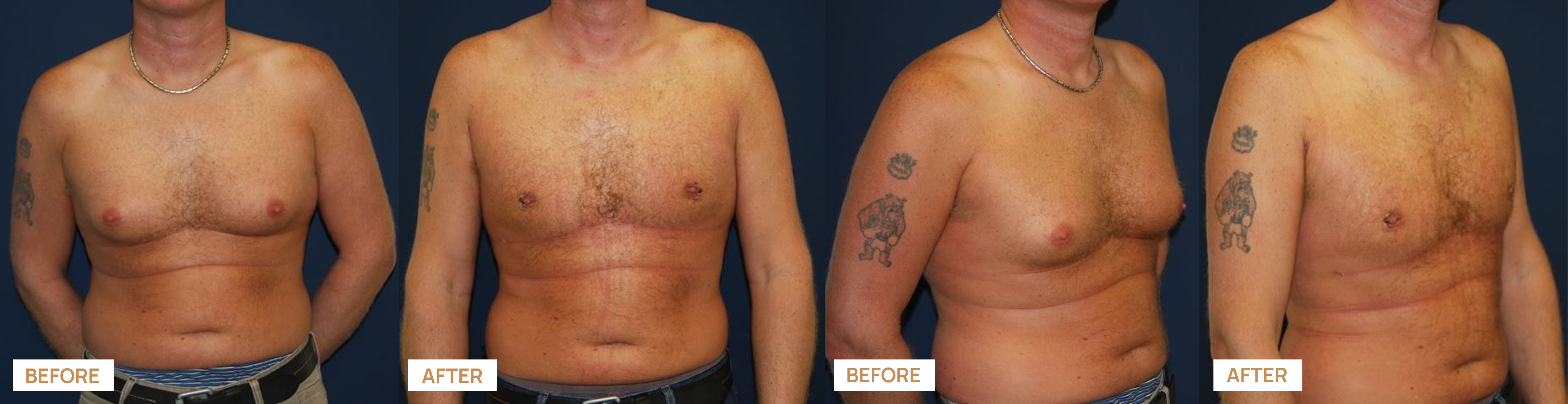
Gynecomastia surgery produces a flatter, firmer, and more masculine chest. Results are visible immediately, with continued improvement as swelling subsides over the following weeks. Once healed, results are typically permanent, provided a stable weight and healthy lifestyle are maintained.
Scars are kept as discreet as possible and are usually placed around the areola or within natural chest contours. Over time, scars fade and become less noticeable.
Take the next step with confidence
Our expert team is here to guide you with honesty, care and discretion.

Phone/Video Consultation
Connect with our Practice Manager from the comfort of your own home. This phone or video call allows you to share your concerns, explore treatment options, and receive personalised recommendations on the right course of action. Convenient, confidential, and tailored to your needs.

Face to face Consultation
Meet with our Practice Manager in person at Leeds Private Hospital. During this session, we’ll listen to your concerns, discuss your goals, and provide expert guidance on the most suitable treatments or procedures for you. This is a relaxed and informative appointment designed to help you take the first step with confidence.

Frequently Asked Questions
Can't find the answer to your question? Send us an email and we'll get back to you soon as possible.
Book Consultation