Abdominoplasty, commonly known as a tummy tuck, is a popular cosmetic surgery that removes excess skin and fat from the abdominal area, while also tightening the muscles. It is a transformative procedure for those who struggle with loose or sagging skin around the abdomen, often after pregnancy, weight loss, or ageing. If you’re considering abdominoplasty, it’s essential to have all your questions answered before moving forward. Below, we address the most frequently asked questions about abdominoplasty to help guide you through the process.
What is Abdominoplasty?
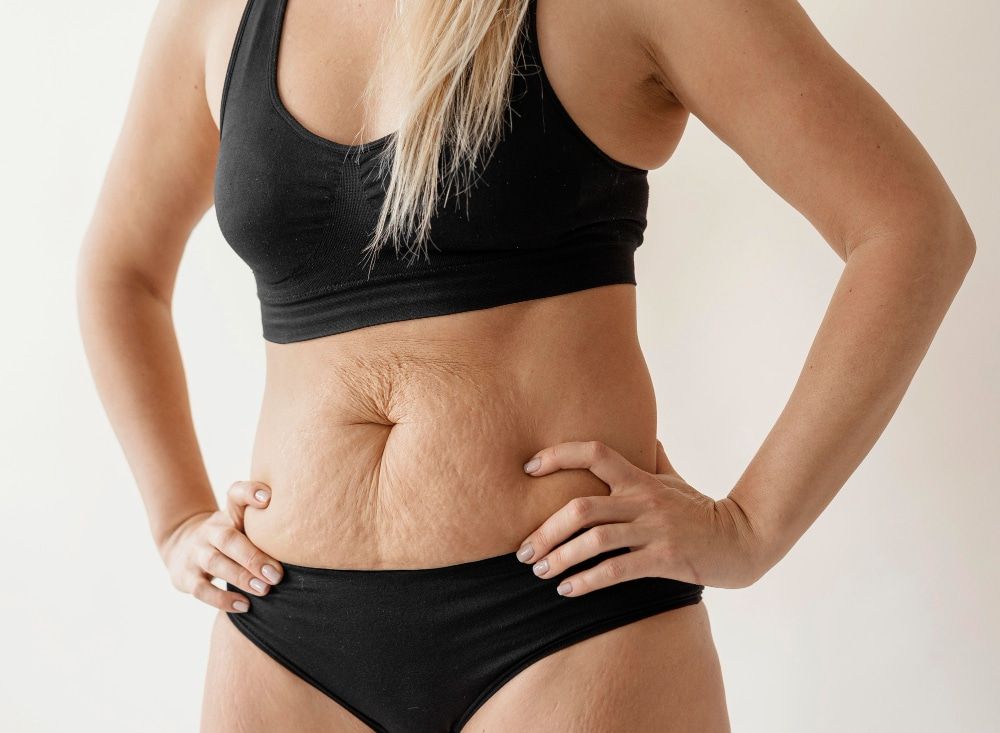
Abdominoplasty, or tummy tuck surgery, is a procedure designed to flatten and tone the abdomen by removing excess skin and fat. The surgery also tightens the underlying abdominal muscles that may have become weakened or separated, resulting in a firmer and more defined stomach. The procedure can be particularly beneficial for those who have undergone significant weight loss or have stretched skin due to pregnancy.
While abdominoplasty can improve the appearance of your abdomen, it is not intended as a weight-loss procedure and is best suited for individuals who are close to their ideal weight.
Who is a Good Candidate for Abdominoplasty?
The ideal candidate for abdominoplasty is someone who:
- Is in good overall health: This ensures that the body can handle surgery and the recovery process.
- Has loose or excess skin: If you have excess skin from pregnancy, weight loss, or ageing, abdominoplasty can help.
- Has abdominal muscles that need tightening: For those who have weakened or separated abdominal muscles (diastasis recti), abdominoplasty can repair this issue.
- Is at or near a stable weight: Abdominoplasty is not a weight-loss solution, so being at a healthy, stable weight is key.
- Has realistic expectations: It’s important to understand what the procedure can and cannot achieve. While it can create a flatter and firmer abdomen, it won’t stop weight gain or prevent future pregnancy.
Ideal candidates should also not be planning any future pregnancies, as pregnancy can stretch the skin and muscles again, impacting the results of the surgery.
How is Abdominoplasty Performed?
Abdominoplasty is performed under general anaesthesia to ensure the patient is comfortable throughout the procedure. The surgeon begins by making a horizontal incision just above the pubic area, which can be hidden within the natural folds of the skin. For a full tummy tuck, another incision is often made around the belly button to remove any excess skin and fat.
Once the skin is lifted, the underlying abdominal muscles are tightened, and any excess fat is removed. The remaining skin is then stretched over the newly tightened muscles, and the incision is closed with sutures.
If there is only a small amount of excess skin to address, a mini tummy tuck may be an option. This involves a smaller incision and focuses only on the lower abdomen.
What Areas Can Abdominoplasty Address?
Abdominoplasty focuses primarily on the abdomen, specifically targeting:
- Excess skin: The procedure removes sagging or loose skin, often caused by pregnancy or significant weight loss.
- Stretched abdominal muscles: Abdominoplasty repairs muscles that have been weakened or separated, restoring a tighter, more toned abdomen.
- Fat deposits: While abdominoplasty is not a weight-loss surgery, it can remove excess fat in the abdominal area, enhancing the contour of the stomach.
The procedure primarily targets the lower abdomen, but it can also be used to correct the upper abdominal area if necessary.
What is the Recovery Process Like?
The recovery process after abdominoplasty varies from person to person but generally follows a similar timeline:
- Immediate post-surgery: After surgery, you will be monitored in a recovery room for a few hours before being allowed to go home. You will likely experience swelling, bruising, and discomfort in the treated area, which can be managed with pain medication.
- Week 1 to 2: Most patients experience some pain and swelling in the first couple of weeks. You will need to wear a compression garment to help with the healing process and reduce swelling.
- Return to normal activities: Light activities can usually be resumed after 2 weeks, but strenuous exercise and heavy lifting should be avoided for at least 6 weeks.
- Final results: Swelling will gradually subside over several months, and it can take up to a year for the final results to become fully visible.
While the recovery period is different for everyone, many people are able to return to work within 2 to 3 weeks, depending on the nature of their job.
Are There Any Risks or Complications?
Like any major surgery, abdominoplasty carries some risks, although serious complications are rare. These can include:
- Infection: As with any surgery, there is a risk of infection at the incision site.
- Scarring: While the incision is made discreetly, there will be a scar, which will fade over time but may remain visible.
- Blood clots: There is a risk of blood clots, especially if you don’t stay active enough after surgery.
- Seroma: Fluid build-up under the skin, which may require draining.
- Asymmetry: In some cases, the results may not be perfectly symmetrical, although this is uncommon.
- Poor wound healing: In some cases, the skin may not heal as expected, requiring further treatment.
To minimise these risks, it’s crucial to follow your surgeon’s post-operative care instructions and attend all follow-up appointments.
How Long Do the Results Last?
The results of abdominoplasty are long-lasting, but they can be affected by future weight gain or pregnancy. After the surgery, your abdomen will appear flatter, firmer, and more toned, and the results should be visible for many years. However, if you gain significant weight or become pregnant again, the skin and muscles in the abdominal area may stretch, potentially affecting the appearance of your tummy tuck results.
To maintain the results, it’s important to live a healthy lifestyle that includes regular exercise and a balanced diet.
How Much Does Abdominoplasty Cost?
The cost of abdominoplasty varies depending on factors such as the surgeon’s expertise, the location of the clinic, and the extent of the procedure. In the UK, the cost of a tummy tuck can start from £7,000, This fee typically includes the surgeon’s fee, anaesthesia, hospital or surgical centre costs, and post-surgery garments.
It’s essential to understand the full cost of the procedure upfront and ask about any potential additional fees, such as follow-up visits.
Conclusion
Abdominoplasty can be a life-changing procedure for those who want to improve the appearance of their abdomen. Whether it’s due to excess skin from pregnancy, weight loss, or simply the natural ageing process, a tummy tuck can restore confidence and provide long-lasting results. However, it’s crucial to understand the procedure, recovery, risks, and costs before making a decision.
If you’re considering abdominoplasty, contact us today for a free consultation. Our experienced team is here to discuss your goals, answer all your questions, and provide the best options for your unique situation. We’ll guide you through the process and help you achieve the results you’ve been dreaming of.
Get in touch now to schedule your free consultation and start your journey towards a more confident, sculpted you!