Are you frustrated by persistent under-eye puffiness or bags that make you look tired even after a good night’s sleep? Eye bag removal surgery, also known as lower blepharoplasty, is an effective solution that can restore a fresher, more youthful appearance.
If you’re considering this procedure, this guide will walk you through everything you need to know from what causes eye bags to how the surgery is performed, what recovery looks like and how to choose the right clinic in Leeds.
What Causes Eye Bags?
Eye bags are usually the result of ageing, but other factors can contribute. As we grow older, the muscles and tissues supporting the eyelids weaken, causing fat to move forward and create that characteristic puffiness. Genetics can also play a part, as can fluid retention, allergies and lifestyle factors such as stress or lack of sleep.
While creams and serums might help reduce swelling temporarily, they can’t tackle the underlying causes. This is where eye bag removal surgery can make a significant difference by addressing the excess fat, loose skin, and weakened muscles directly.
What Is Eye Bag Removal Surgery?
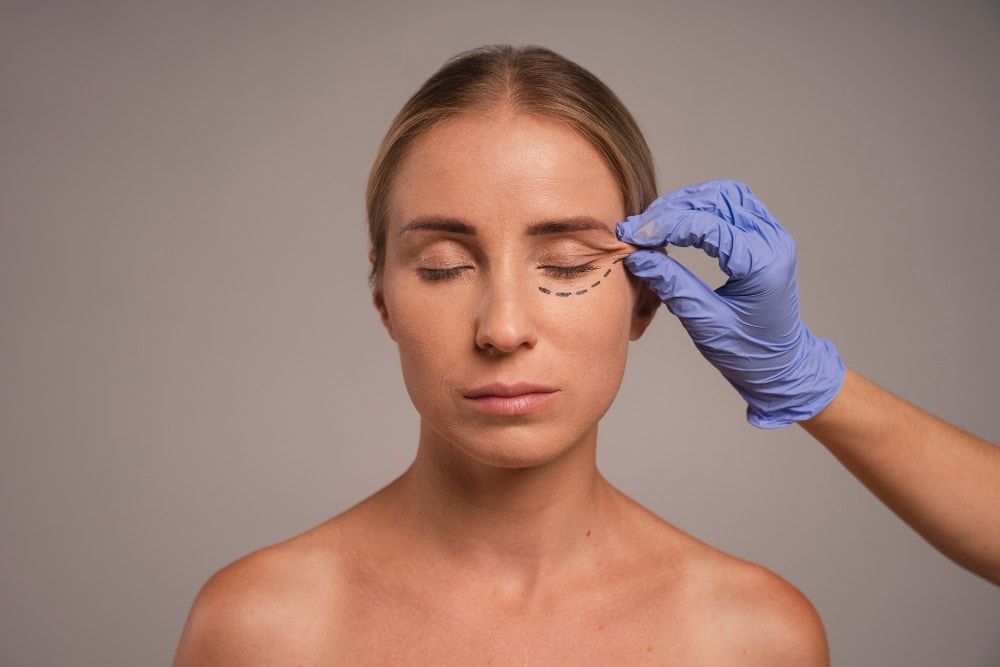
Lower blepharoplasty is a surgical procedure designed to rejuvenate the area beneath your eyes. The surgeon removes or repositions fat deposits, trims excess skin, and tightens the surrounding muscles to smooth out the under-eye area. This creates a naturally refreshed look, helping you appear more awake and youthful.
The incisions are made either just below the lower lash line or inside the eyelid (transconjunctival approach), depending on your individual anatomy and the extent of correction needed. These incisions are carefully placed to minimise visible scarring.
Sometimes, eye bag removal is combined with upper eyelid surgery or other facial procedures to achieve a balanced rejuvenation.
Who Is Suitable for Eye Bag Removal?
Ideal candidates for eye bag surgery are generally healthy adults who:
- Have visible puffiness or bags under the eyes
- Feel that their eyes look tired or aged beyond their years
- Are non-smokers or willing to stop smoking before surgery
- Have realistic expectations about the outcome
During your consultation, a specialist surgeon will evaluate your eyelid structure, skin quality and overall health. They will also discuss whether you might benefit from additional procedures to achieve your goals.
What Happens During the Procedure?
Eye bag removal surgery is usually done under local anaesthetic with sedation, though general anaesthetic can be used if preferred. The surgery typically lasts between 45 minutes and two hours, depending on the complexity.
Here’s what to expect:
1. Anaesthesia: You’ll be comfortably anaesthetised to prevent pain during surgery.
2. Incision: The surgeon makes a fine cut either just below your lower lashes or inside the eyelid, carefully avoiding visible scarring.
3. Fat Removal or Repositioning: Excess fat that causes puffiness is either removed or repositioned to smooth the contour of the under-eye area.
4. Skin and Muscle Tightening: Loose skin is trimmed, and underlying muscles may be tightened to create a firmer, smoother appearance.
5. Closing the Incision: The incisions are closed with fine stitches or dissolvable sutures.
The procedure is precise and tailored to your unique facial anatomy, aiming for a natural and refreshed look rather than a drastic change.
Recovery: What to Expect
After surgery, it’s normal to experience some swelling, bruising, and mild discomfort around the eyes. These usually peak within the first two to three days and then gradually improve.
To help your recovery:
- Apply cold compresses in the first 48 hours to reduce swelling
- Keep your head elevated while resting
- Avoid strenuous activities and heavy lifting for at least two weeks
- Follow your surgeon’s instructions on cleaning the incision site and any prescribed medications
Most patients feel comfortable returning to work and social activities within 7 to 10 days, although subtle swelling may persist for a few weeks. Your surgeon will arrange follow-up appointments to monitor your healing progress.
What Results Can You Expect?
Once fully healed, the area beneath your eyes will appear smoother, firmer, and more youthful. The puffiness and sagging will be significantly reduced, giving your face a refreshed and well-rested look.
The incisions are virtually invisible, especially when placed inside the eyelid. Many patients report a noticeable boost in confidence thanks to their rejuvenated appearance.
While eye bag surgery offers long-lasting results, natural ageing will continue. Many patients choose to revisit the procedure after several years to maintain their youthful look.
Are There Any Risks?
As with any surgery, there are some risks to be aware of. These can include:
- Temporary dryness or irritation of the eyes
- Bruising and swelling
- Infection (rare with proper care)
- Minor asymmetry or need for revision
Choosing a highly experienced surgeon in a reputable Leeds clinic is the best way to minimise risks and ensure the best possible outcome.
Why Choose Our Leeds Clinic for Eye Bag Removal?
We specialise in delicate facial surgeries including eye bag removal. Our expert surgeons combine advanced techniques with personalised care to deliver natural, beautiful results.
We prioritise your safety and comfort throughout every stage from consultation and surgery to recovery and aftercare. With state-of-the-art facilities and a friendly, professional team, you’ll feel supported every step of the way.
Book Your Consultation Today
If you’re ready to say goodbye to tired-looking eyes and hello to a brighter, more youthful appearance, book your private consultation with us today. We’ll discuss your goals, assess your suitability for eye bag removal surgery and tailor a treatment plan just for you.