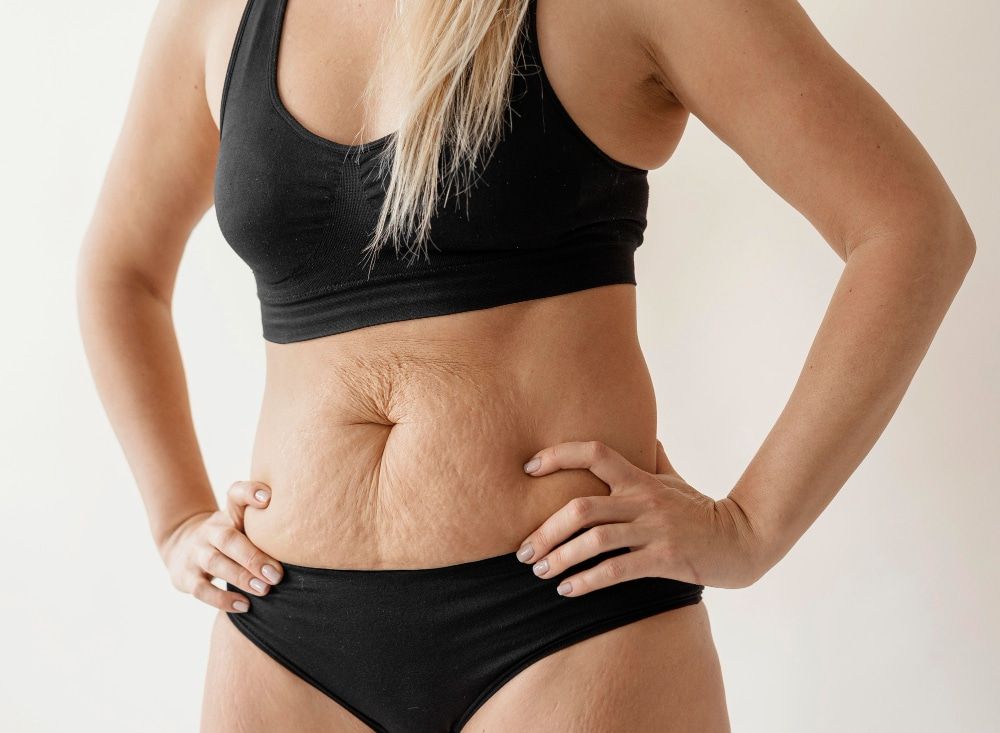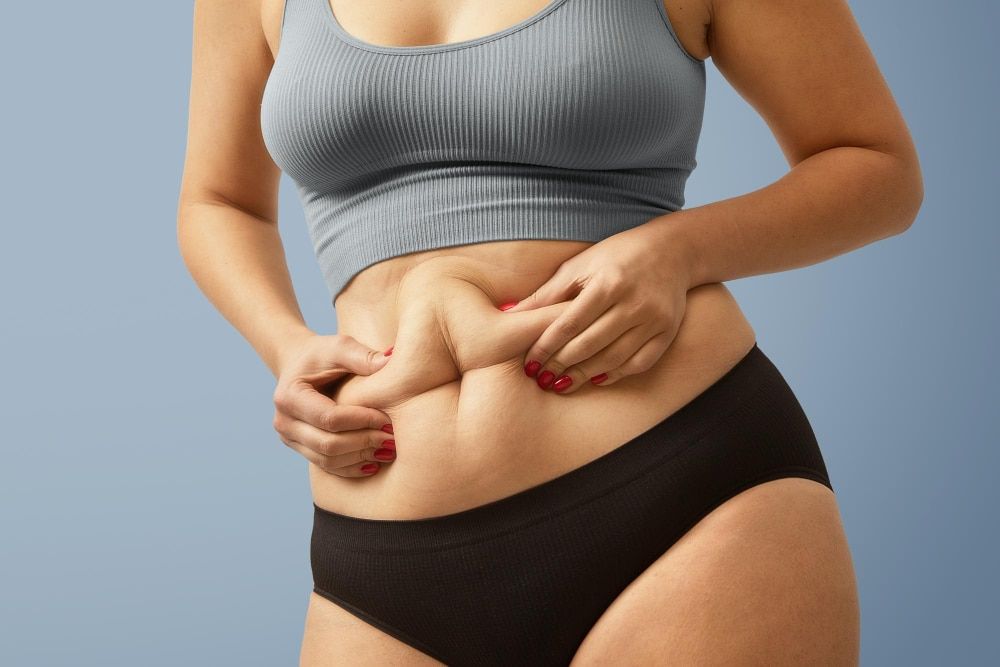
For many people, achieving a toned, firm stomach can feel impossible despite following a healthy diet and regular exercise routine. Loose skin, weakened abdominal muscles, and stubborn fat deposits often remain particularly after pregnancy, significant weight loss, or simply the natural ageing process.
This is where abdominoplasty, commonly known as a tummy tuck, can make a real difference. It is a surgical procedure designed to restore a smoother, tighter, and more contoured midsection, helping patients feel more confident in their own skin.
In this blog, we’ll explore what abdominoplasty involves, the different types of tummy tuck available, the recovery process, and who may benefit most from the surgery.
What Is Abdominoplasty?
Abdominoplasty is a cosmetic surgical procedure that removes excess skin and fat from the abdominal area while tightening the underlying muscles. Unlike liposuction, which only targets fat, a tummy tuck addresses both the skin and muscle structure.
The result is a flatter, firmer, and more toned stomach profile that is difficult or sometimes impossible to achieve through lifestyle changes alone.
Why Do People Choose a Tummy Tuck?
There are many reasons why individuals consider abdominoplasty. The most common include:
- Post-pregnancy changes: Pregnancy stretches the skin and abdominal muscles, which may not return to their original state even with exercise.
- Weight fluctuations: After significant weight loss, excess skin often remains and can only be removed surgically.
- Ageing: Over time, the skin loses elasticity and muscles weaken, leading to a sagging midsection.
- Boosting self-confidence: Many people feel more comfortable in clothing, swimwear, or simply in their day-to-day lives after surgery.
Types of Abdominoplasty
Not all tummy tucks are the same. The technique your surgeon recommends will depend on your anatomy, goals, and the extent of correction required.
Full Abdominoplasty
This is the most common type of tummy tuck. It involves an incision from hip to hip, allowing the surgeon to remove excess skin, repair abdominal muscles, and reposition the navel if necessary.
Mini Abdominoplasty
A mini tummy tuck is less invasive and focuses on the lower abdomen below the belly button. It is suitable for patients with a small amount of loose skin and minimal muscle separation.
Extended Abdominoplasty
For patients with significant excess skin often following dramatic weight loss an extended tummy tuck provides more extensive correction, addressing not just the abdomen but also the flanks and lower back area.
The Procedure
Abdominoplasty is typically carried out under general anaesthetic and can take between two to four hours depending on complexity. During surgery, your surgeon will:
1. Make an incision across the lower abdomen.
2. Remove excess skin and fat.
3. Repair and tighten weakened abdominal muscles.
4. Re-drape the skin smoothly over the abdomen.
5. Reposition the belly button if required.
Recovery and Aftercare
Recovery from a tummy tuck is an important part of the process. Most patients can expect:
- Initial healing: Swelling, bruising, and discomfort for the first 1–2 weeks.
- Time off work: Usually around 2–4 weeks, depending on the type of surgery and your individual healing.
- Resuming activity: Light activities can be resumed after a few weeks, but strenuous exercise and heavy lifting should be avoided for at least 6–8 weeks.
- Final results: While improvements are visible quite quickly, it can take several months for swelling to fully subside and the final outcome to be apparent.
Following your surgeon’s aftercare advice and attending follow-up appointments are key to achieving the best results.
Who Is a Good Candidate for Abdominoplasty?
Abdominoplasty is best suited to individuals who:
- Are in good overall health.
- Maintain a stable weight.
- Do not smoke, or are willing to stop before and after surgery.
- Have realistic expectations about what the surgery can achieve.
It is not a substitute for weight loss or a healthy lifestyle, but rather a procedure to refine body shape and improve abdominal contour.
Risks and Considerations
As with any surgery, there are risks to consider, including infection, scarring, bleeding, or delayed wound healing. Choosing an experienced and qualified surgeon significantly reduces these risks and ensures the safest and most effective outcome.
The Benefits of a Tummy Tuck
The advantages of abdominoplasty go beyond physical appearance. Patients frequently report:
- Improved posture and core strength due to repaired abdominal muscles.
- Relief from skin irritation caused by overhanging folds.
- Increased self-esteem and confidence.
Is Abdominoplasty Right for You?
If you struggle with loose abdominal skin, stretched muscles, or stubborn fat that doesn’t respond to diet and exercise, abdominoplasty could provide the transformation you’re looking for.
Every patient’s needs are unique, so a personalised consultation is the first step towards understanding your options and planning the most suitable approach for your goals.
Take the Next Step
If you’re considering a tummy tuck and want to explore whether abdominoplasty is right for you, our expert surgical team is here to help.
Contact us today to book your consultation and take the first step towards a flatter, firmer, and more confident you.