Cosmetic surgery has become increasingly popular in recent years, with more people seeking procedures to enhance their appearance, refine their features, and boost self-confidence. Unlike reconstructive surgery, which aims to restore function after injury or illness, cosmetic surgery is focused on aesthetics and improving how a person looks.
In this blog, we’ll explore the most common types of cosmetic surgery, the benefits, considerations and what to expect if you are considering a procedure.
What Is Cosmetic Surgery?
Cosmetic surgery refers to surgical procedures designed to enhance appearance by reshaping or adjusting parts of the body. It can range from facial surgeries that alter features such as the nose or eyelids, to body procedures aimed at contouring and toning.
The goal is not to create a “perfect” look, but rather to bring balance and proportion, helping individuals feel more confident and comfortable in their own skin.
Why Do People Choose Cosmetic Surgery?
There are many motivations behind choosing cosmetic surgery. The most common include:
- Boosting self-esteem: Enhancing or refining a feature can significantly improve confidence.
- Ageing gracefully: Many people wish to reduce signs of ageing, such as wrinkles, sagging skin, or volume loss.
- Post-pregnancy changes: Procedures can address changes to the body following childbirth.
- Correcting proportions: Surgery can improve balance and symmetry between different features.
Ultimately, cosmetic surgery is a personal decision, often made to improve quality of life and self-image.
Common Types of Cosmetic Surgery
Cosmetic surgery includes a wide range of procedures. Some of the most popular include:
Facial Procedures
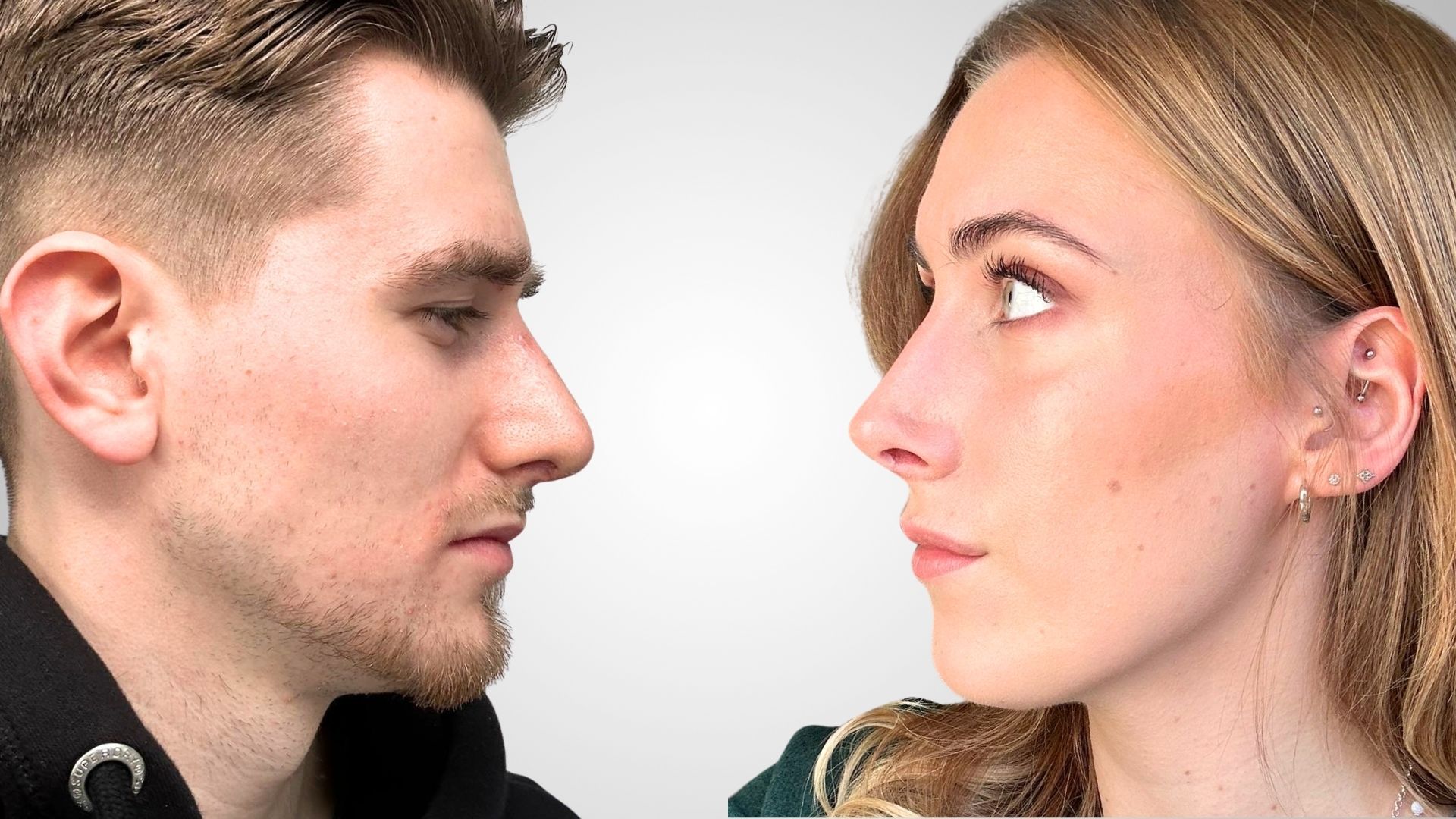
- Rhinoplasty (nose reshaping) – alters the shape and size of the nose.
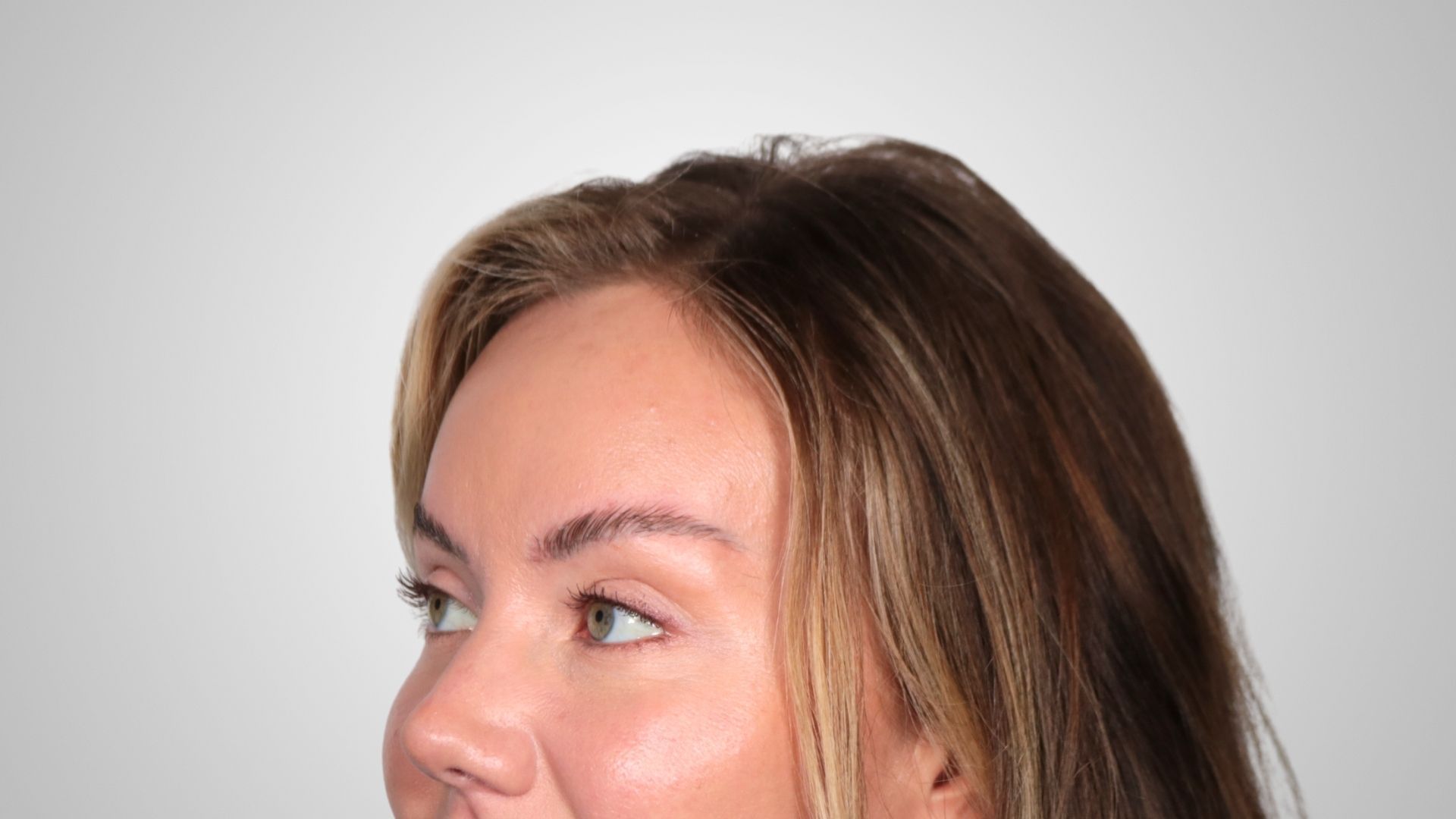
- Blepharoplasty (eyelid surgery) – rejuvenates tired-looking eyes by removing excess skin or fat.
- Facelift – tightens and smooths the face by reducing sagging skin.
- Chin or cheek implants – enhance definition and structure.
Breast Surgery
- Breast augmentation – increases size or improves shape with implants.
- Breast reduction – reduces size for comfort and proportion.
- Breast lift – restores firmness and positioning.
Body Contouring
- Liposuction – removes stubborn fat deposits.
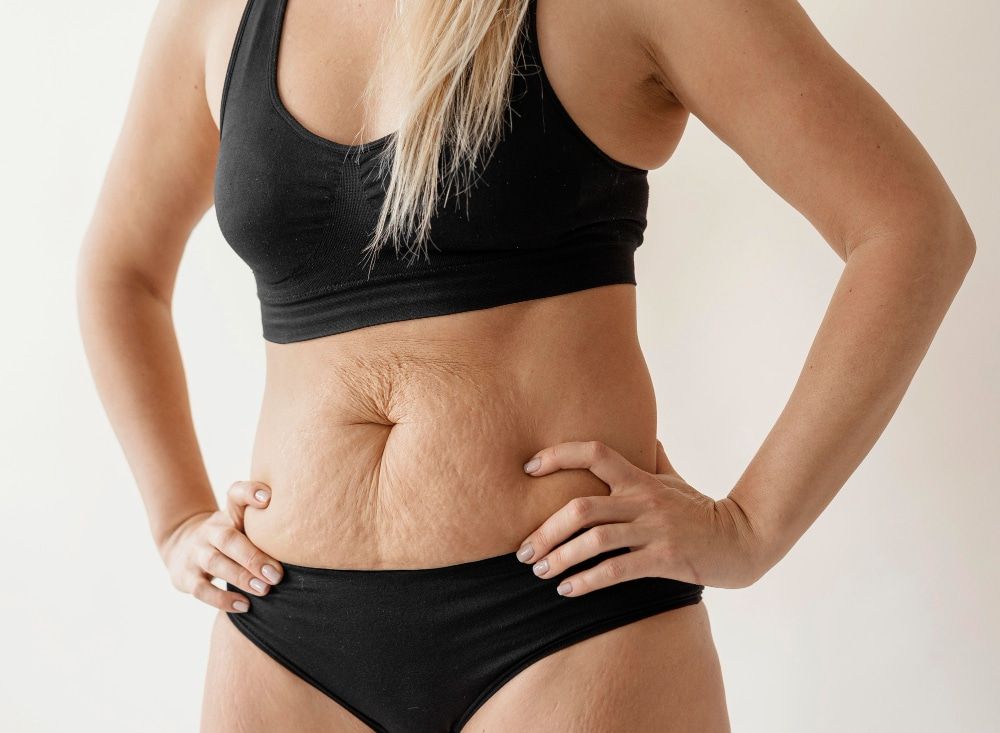
- Abdominoplasty (tummy tuck) – tightens the abdominal area.
- Thigh or arm lift – reduces sagging skin for a more toned appearance.
The Procedure Journey
The process of undergoing cosmetic surgery typically follows these stages:
1. Initial Consultation
A detailed discussion with your surgeon about your goals, concerns, and medical history. This is also an opportunity to understand realistic outcomes.
2. Preparation
Your surgeon may request certain lifestyle adjustments, such as stopping smoking, to ensure optimal recovery.
3. Surgery
Performed under anaesthetic, depending on the procedure, surgery may last from one to several hours.
4. Recovery
Aftercare is vital. Rest, follow-up appointments, and gradual return to normal activity are key to achieving the best results.
Benefits of Cosmetic Surgery
Cosmetic surgery offers both physical and psychological benefits:
- Enhanced appearance – refined features or improved body contours.
- Improved self-confidence – many patients feel more comfortable socially and professionally.
- Motivation for healthy lifestyle – after procedures such as liposuction or abdominoplasty, patients often feel inspired to maintain their results with diet and exercise.
- Better quality of life – for example, breast reduction can relieve back pain and discomfort.
Risks and Considerations
As with any surgical procedure, there are risks involved, including infection, scarring, or complications with anaesthesia. It is essential to:
- Choose a qualified, experienced surgeon.
- Have realistic expectations of what surgery can achieve.
- Understand that recovery takes time, and results may not be immediately visible.
Who Is a Suitable Candidate?
Good candidates for cosmetic surgery are:
- In good overall health.
- At a stable weight (for body procedures).
- Non-smokers, or willing to stop before and after surgery.
- Individuals with realistic goals rather than seeking perfection.
Cosmetic Surgery vs Non-Surgical Treatments
It is important to note that not all cosmetic improvements require surgery. Non-surgical treatments such as dermal fillers, Botox, and skin resurfacing can provide excellent results for certain concerns. However, for more dramatic or long-term changes, surgery remains the most effective option.
Is Cosmetic Surgery Right for You?
Cosmetic surgery is a personal journey. The right procedure can be life-changing, helping you look and feel more like your best self. However, it should never be rushed. Take time to research, consult with experts, and make an informed decision.
Take the Next Step
If you are considering cosmetic surgery and would like to learn more about the options available to you, our experienced surgical team is here to guide you every step of the way.
Contact us today to book a consultation and begin your journey towards enhanced confidence and a refreshed appearance.