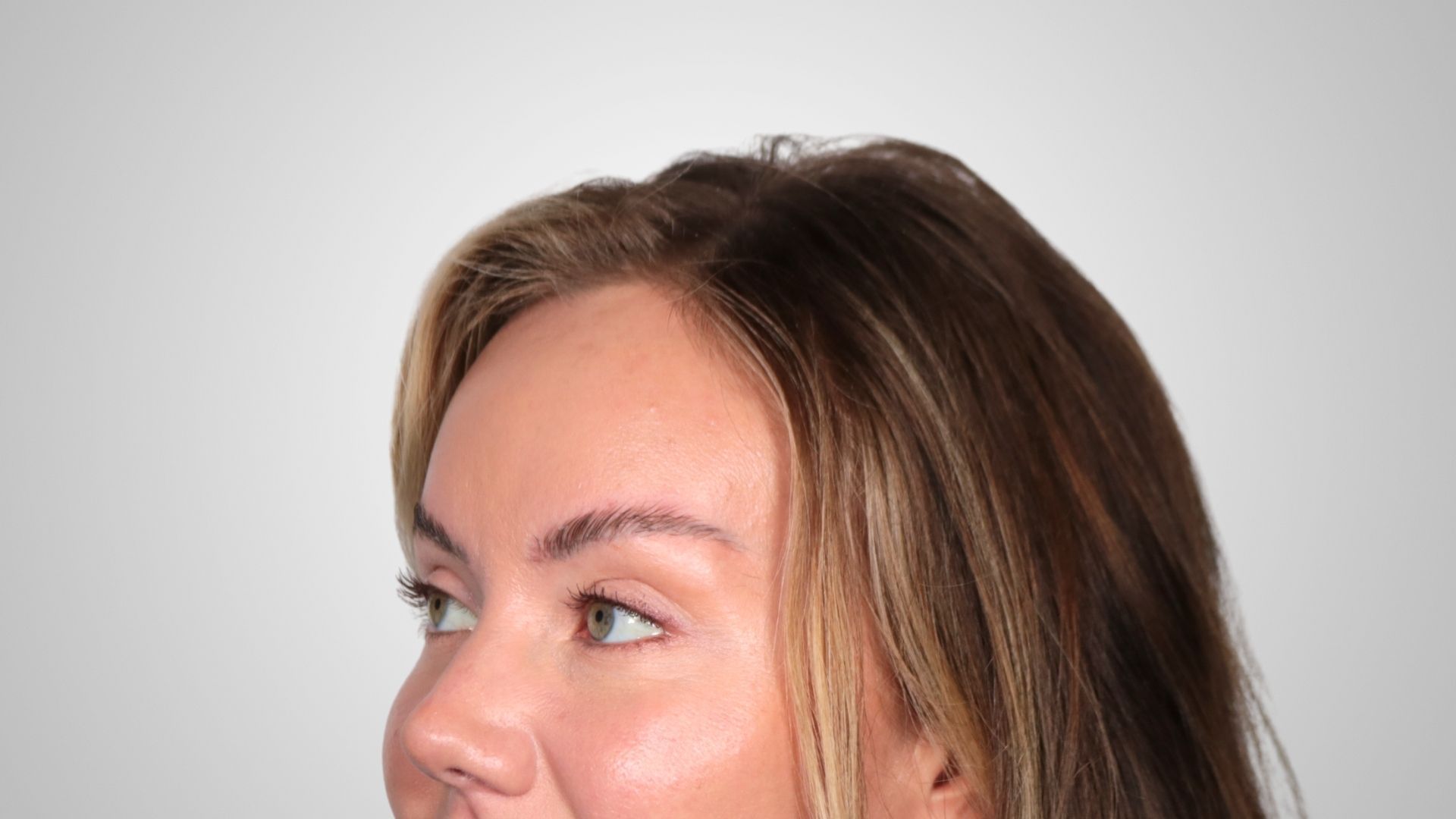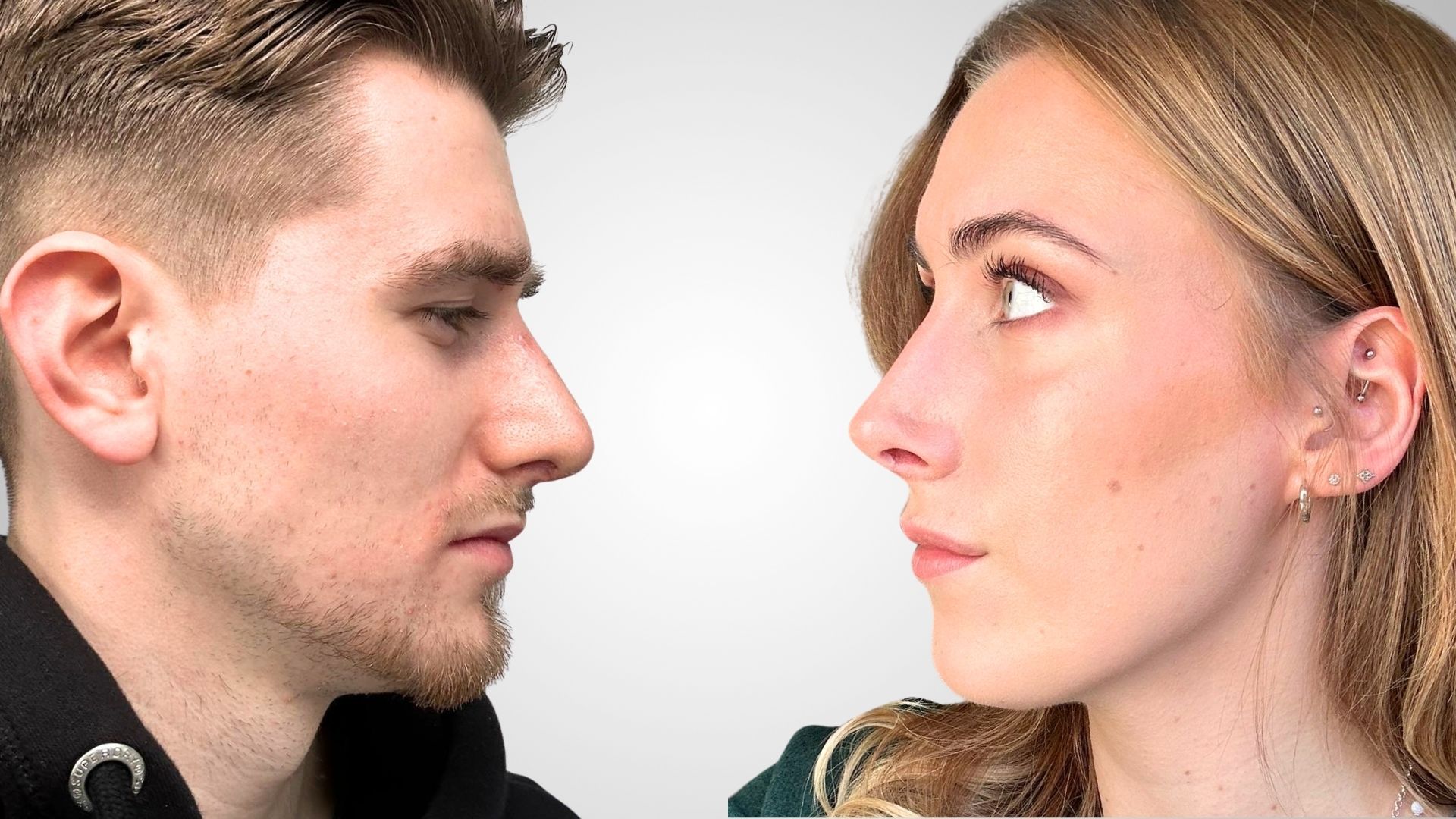
The nose is the central feature of your face, playing a major role in your overall facial balance. Whether you are looking to smooth a bump, refine the tip, or improve your breathing, rhinoplasty (commonly known as a nose job) is one of the most transformative cosmetic procedures available.
However, when you start researching the procedure, you will quickly encounter two distinct surgical techniques: open rhinoplasty and closed rhinoplasty. What exactly do these terms mean, and how do they impact your surgery and recovery? Let’s break it down.
What Is an Open Rhinoplasty?
In an open rhinoplasty, the surgeon makes a small incision across the columella—the narrow strip of tissue that separates your nostrils. This allows them to gently lift the skin upwards, completely exposing the underlying bone and cartilage structure of the nose.
Advantages of Open Rhinoplasty:
- Unmatched visibility of the nasal structure for the surgeon
- Maximum precision for complex reshaping and grafting
- The preferred method for revision rhinoplasty or severe asymmetry
- Easier to diagnose and correct internal functional issues
Considerations for Open Rhinoplasty:
- Leaves a tiny scar on the columella, though it usually fades to become barely noticeable over time
- Swelling can be more pronounced and take slightly longer to fully resolve
- The surgery itself often takes a bit longer to perform
What Is a Closed Rhinoplasty?
A closed rhinoplasty, also known as an endonasal rhinoplasty, is performed entirely from the inside. The surgeon makes all necessary incisions strictly within the nostrils. The skin is not lifted, and the surgeon works largely by feel and through narrow surgical openings.
Advantages of Closed Rhinoplasty:
- Absolutely no visible external scarring
- Generally involves a shorter surgical time
- Less post-operative swelling and a faster overall recovery period
- Less disruption to the natural tissues and blood supply of the nose tip
Considerations for Closed Rhinoplasty:
- Restricted visibility makes it much harder for the surgeon to perform intricate work
- Not suitable for major structural changes, complex tip refinements, or revision surgeries
- Requires a highly experienced surgeon who is comfortable working with limited exposure
Which One Is Right for You?
The choice between an open and closed approach is rarely about simply picking a preference from a menu. It heavily depends on your unique anatomy and what you are trying to achieve.
If you need a minor adjustment, such as shaving down a small dorsal hump or making a slight tweak to the bridge, a closed rhinoplasty might be the perfect, minimally invasive option for a quick recovery.
If you require significant tip reshaping, correction of a crooked nose, structural grafting, or a secondary (revision) surgery, the open approach provides the necessary access and control to ensure a beautiful, predictable, and lasting result.
Conclusion
Both open and closed rhinoplasty are highly successful techniques when performed by a skilled specialist. They both serve very specific purposes. During your consultation, your surgeon will examine your nasal structure, discuss your aesthetic and functional goals, and determine the safest and most effective method for your specific case.
Ready to Find Your Perfect Profile?
If you are considering rhinoplasty and want to understand which technique will deliver the natural, balanced results you desire, book a consultation with our experienced cosmetic specialists today. We will guide you through your options and create a customised surgical plan just for you.
Contact us now to schedule your appointment and take the first step towards feeling completely confident in your own skin!