When looking in the mirror, many of us want the reflection staring back to match the youthful energy we feel inside. As creams, serums, and non-surgical treatments like dermal fillers begin to fall short of delivering the results you want, you might start considering surgical options. This leads to one of the most common questions patients ask: "Is there a 'best' age to have a facelift?"
You might worry that you are too young and should wait, or perhaps you fear you have left it too late. The truth is, there is no single magic number. The right time for a facelift (rhytidectomy) depends entirely on your unique genetics, lifestyle, skin quality, and personal aesthetic goals.
Let’s explore how a facelift benefits patients at different stages of life and how to determine when the time is right for you.
The Early Approach: Your 40s to Early 50s
In recent years, there has been a significant shift towards having facelift surgery earlier in life. Rather than waiting for severe sagging to occur, many patients in their 40s and early 50s are opting for "maintenance" or "preventative" lifts, such as a mini facelift.
At this age, the signs of ageing are usually moderate—perhaps the early formation of jowls, slight drooping in the mid-face, or a softening of the jawline.
Benefits of an Early Facelift:
- Optimal Skin Elasticity: Because your skin still has a good amount of natural collagen and elasticity, it "bounces back" and heals beautifully, leading to incredibly natural-looking results.
- Subtle, Undetectable Changes: The goal isn't a dramatic transformation, but rather hitting the "refresh" button. Friends and family will notice you look rested and glowing, but they likely won't guess you've had surgery.
- Easier Recovery: Younger patients typically bounce back from surgery and anaesthesia much faster.
- Longevity: Correcting sagging early on establishes a higher baseline, meaning you will continue to look younger than your chronological age for decades to come.
Considerations:
- Because the ageing process continues, having a facelift in your 40s means you might desire a secondary "tweak" or revision procedure in your 60s.
The Traditional Approach: Your Late 50s, 60s, and Beyond
Traditionally, the late 50s to early 70s has been the most common age bracket for a comprehensive facelift. By this time, the structural changes in the face are more pronounced. Gravity and a decrease in skin elasticity often lead to deep marionette lines, prominent jowls, and loose, folding skin on the neck.
For these patients, a full facelift (often combined with a neck lift) provides a profound, restorative transformation.
Benefits of a Traditional Facelift:
- Dramatic Rejuvenation: The surgery can take 10 to 15 years off your appearance by comprehensively elevating deep facial muscles (the SMAS layer) and removing significant excess skin.
- Addresses Severe Ageing: It is the only effective solution for heavy jowls, deep folds, and significant "turkey neck" that non-surgical treatments simply cannot fix.
- Cost-Effective in the Long Run: It completely eliminates the need for expensive, high-volume dermal fillers that attempt to mask severe sagging.
Considerations:
- The recovery period may be slightly longer, and you will need to plan for adequate rest.
- The transformation is more noticeable. While a skilled surgeon ensures you still look like you, the "before and after" contrast will be distinct.
Signs You Might Be Ready (Regardless of Age)
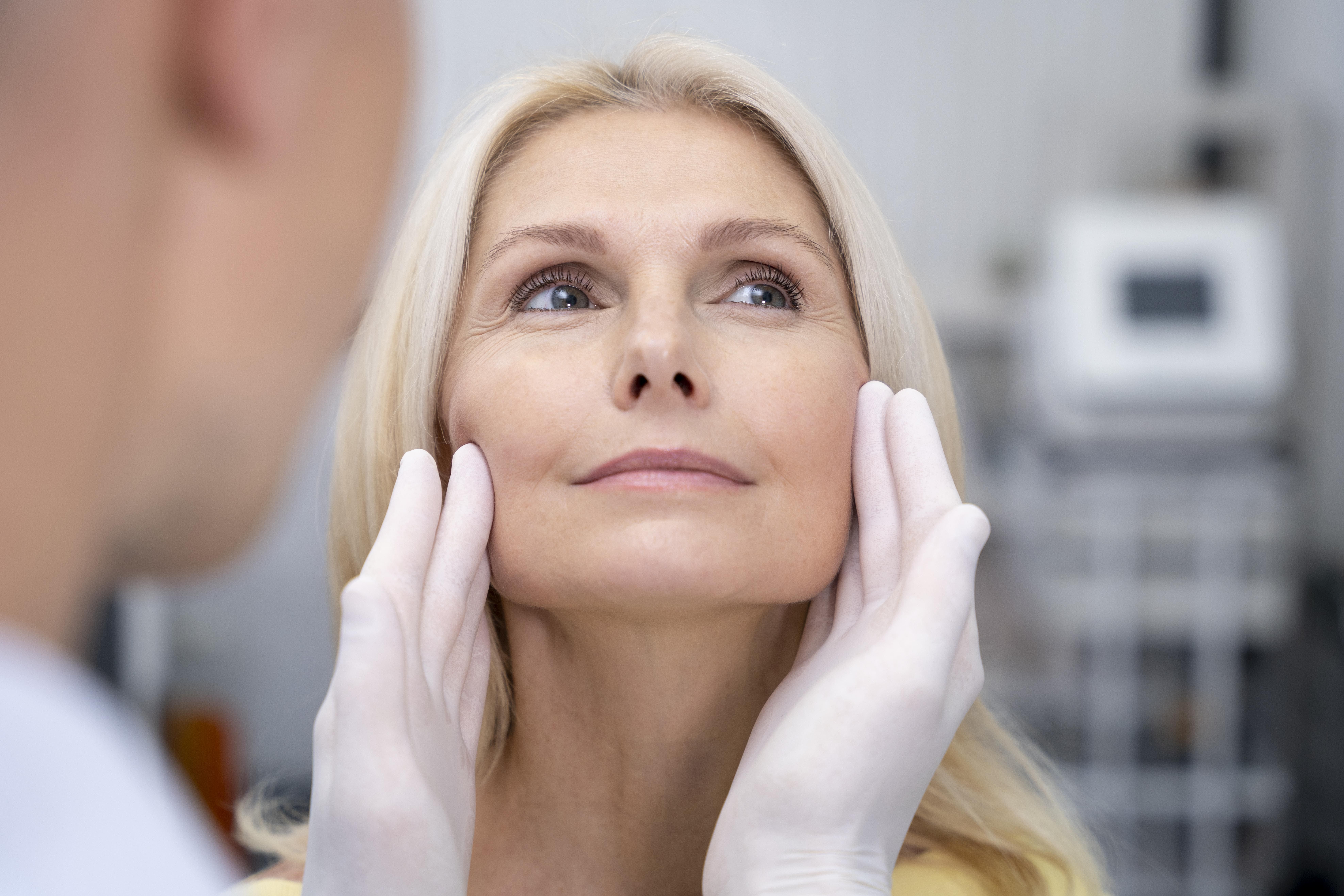
Rather than looking at your birth certificate, it is much more helpful to look at the physical indications on your face. You might be a wonderful candidate for a facelift if you are experiencing:
- Deep creases below the lower eyelids and along the nose extending to the corners of the mouth (nasolabial folds)
- Fallen or displaced facial fat that leaves cheeks looking hollow
- Loss of muscle tone in the lower face, creating jowls that obscure your natural jawline
- Loose skin and excess fatty deposits under the chin and jaw
Conclusion
Ultimately, the "best" age for a facelift is the age at which the visible signs of ageing begin to bother you and non-surgical options no longer provide the lift and contour you desire. Whether you are 45 and looking to maintain a crisp jawline, or 65 and ready for a comprehensive facial refresh, modern surgical techniques can be tailored to suit your exact stage of life. The most important factor is your overall health, not your chronological age.
Ready to Turn Back the Clock?
If you are wondering whether now is the right time for a facelift, the best next step is a professional assessment. Book a consultation with our experienced cosmetic surgeons today. We will evaluate your facial anatomy, discuss your aesthetic goals, and help you determine if a facelift is the perfect choice for your unique timeline.
Contact us now to schedule your appointment and take the first step towards a revitalised, confident new you!